Data-Driven Safety: Managing Cold Stress This Winter
Winter brings unique challenges to jobsites — snow, wind, and freezing temperatures—but pausing production isn't always an option. To maintain project timelines during the winter months, Field Control Analytics (FCA) empowers project teams to use data-driven oversight necessary to keep teams safe.
Managing the Risks of Cold Stress
Cold stress occurs when the body can no longer maintain a normal temperature, leading to serious conditions like frostbite or hypothermia. Effective management requires more than just PPE; it requires site-wide coordination.
Key Winter Safety Strategies:
- Layered PPE: Ensure all workers utilize moisture-wicking and insulated gear.
- Warm-up Zones: Establish heated shelters and mandate regular intervals for rewarming.
- Hydration: Provide warm, non-caffeinated liquids to help regulate core body temperatures.
How FCA Technology Enhances Winter Safety
Visibility is the antidote to risk. FCA tools empower Project Managers to enforce safety protocols digitally:
- Mass Messaging for Emergency Alerts: When the "Real Temparture Feel" drops to dangerous levels, communication must be instantaneous. Use FCA’s mass messaging to notify the entire workforce to stop work or move to warming stations immediately.
- Automated Break Tracking: Leverage labor reporting to ensure subcontractors and crews are cycling through breaks. If a crew has been active for an extended period in sub-zero temperatures, your dashboard provides the visibility to intervene.
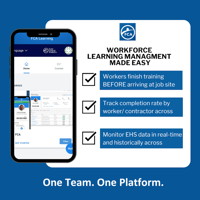
- Digital Safety Training & Onboarding: Before a worker even steps onto the site, push "Cold Weather Toolbox Talks" and safety videos directly through the FCA app to ensure every individual recognizes the early signs of cold stress.
A safe site is a productive site. By combining proactive safety planning with FCA’s real-time workforce analytics, you can protect your crew and keep your project moving—no matter how low the mercury drops.